
Laser hair removal is a popular cosmetic procedure in Woodstock and Oxford County that offers a convenient and effective solution for unwanted hair.
Let’s delve into what laser hair removal is, how it works, the areas of the body that can be treated, and the many benefits it offers.
We’ll explore the potential risks associated with the procedure and provide valuable insights on how to prepare for a laser hair removal treatment. We’ll discuss what you can expect during the treatment, the number of sessions needed for optimal results, and the costs involved.
Whether you’re considering laser hair removal or simply curious about the process, this comprehensive guide will equip you with the knowledge to make informed decisions about this innovative hair removal technique.
Key Takeaways:
- Laser hair removal for men and women in Woodstock offers a permanent reduction of unwanted hair on various body parts, making it a popular choice for those looking for long-term results.
- This method of hair removal uses precision and speed to target individual hair follicles, resulting in a more efficient and effective treatment.
- Unlike other hair removal methods, laser hair removal can lead to fewer ingrown hairs, providing a smoother and more even skin texture.
What Is Laser Hair Removal?
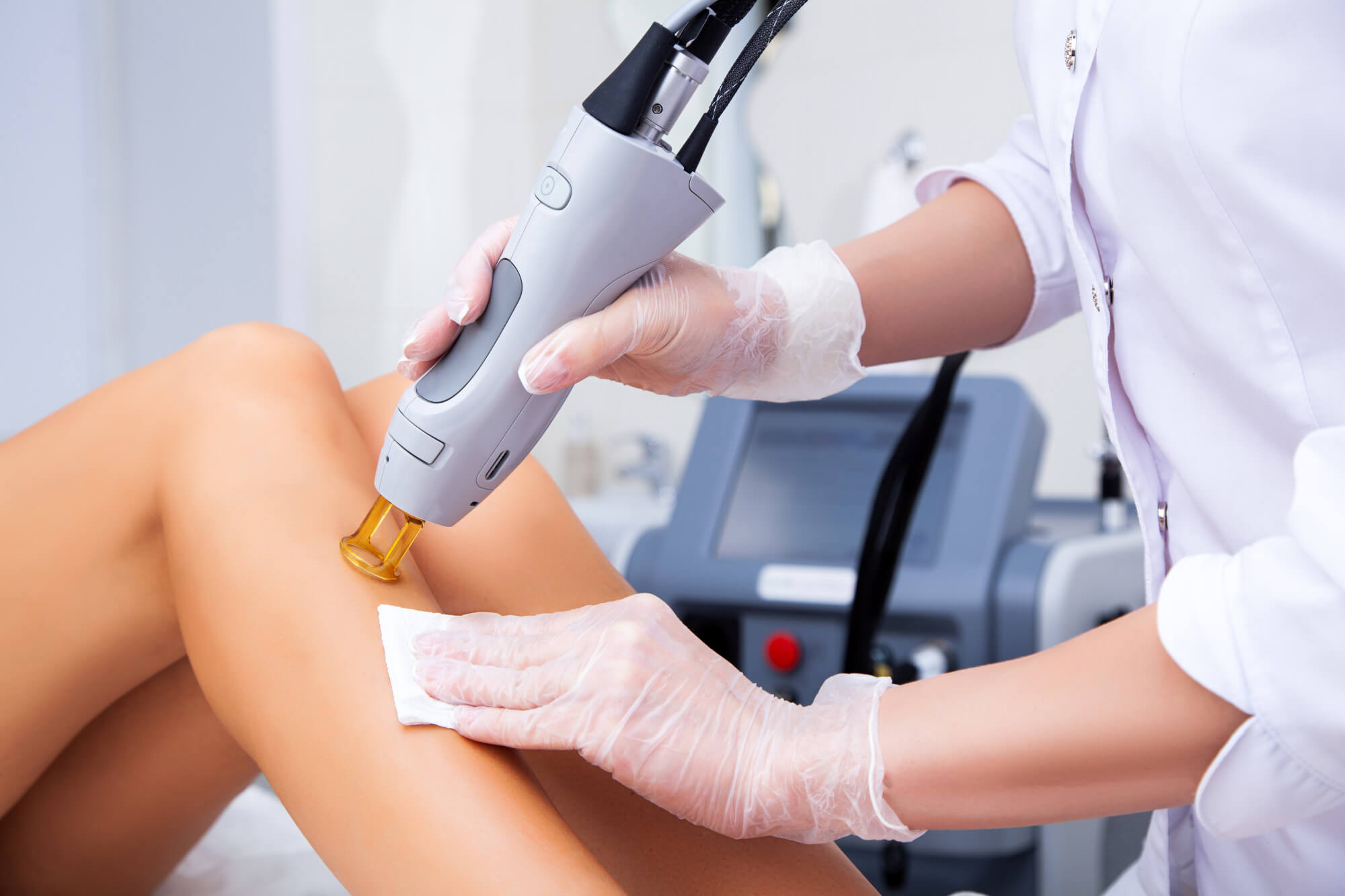
Laser hair removal is a medical treatment that uses a concentrated beam of light to remove unwanted hair.
This treatment targets the hair follicle specifically, damaging it with heat to inhibit future growth. The process is precise and effective, offering long-lasting results. Unlike traditional hair removal methods such as waxing or shaving, laser treatments can result in significantly reduced hair growth over time, making it a popular choice for individuals seeking a more permanent solution.
Laser hair removal is performed by trained medical professionals who understand the complexities of skin and hair types, ensuring the procedure’s safety and efficacy. Patients often experience minimal discomfort and minimal downtime, with the ability to return to their daily activities shortly after each session.
How Does Laser Hair Removal Work?
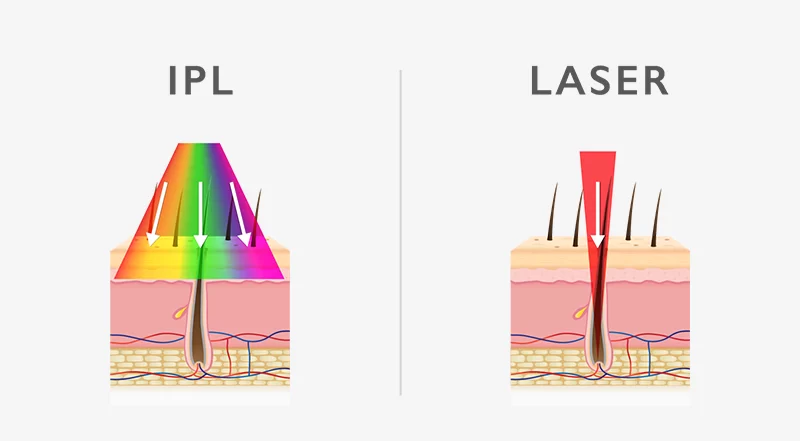
Laser hair removal targets the hair follicle by emitting a specific wavelength of light that is absorbed by the pigment in the hair, effectively inhibiting future hair growth.
There are different types of lasers used for this process, including Alexandrite, Diode, Nd: YAG, and IPL lasers, each with its own set of advantages and considerations. The laser energy transforms into heat, which damages the hair follicle and delays or prevents future hair growth. The effectiveness of laser hair removal varies depending on factors such as skin type, hair color, and the area being treated.
Multiple treatment sessions are typically required to target hair in different growth stages and achieve long-lasting results. Laser hair removal offers a safe and efficient way to reduce hair growth in unwanted areas.
What Areas of the Body Can Be Treated with Laser Hair Removal?
Laser hair removal can be performed on various areas of the body, including the face, legs, arms, underarms, and bikini line, among others.
The treatment is suitable for individuals seeking long-term hair reduction, and it’s important to consider the skin type to ensure efficacy and safety. For different skin types, varying laser technologies and settings may be required to achieve optimal results. It is crucial to seek the expertise of a qualified medical professional or laser technician who can assess the skin and tailor the treatment accordingly. Areas with thinner skin, such as the face, may necessitate specialized care and precision during the process.
What Are the Benefits of Laser Hair Removal?
Laser hair removal offers several benefits, including permanent hair reduction, precision, speed, and minimal discomfort during the treatment process.
Permanent Hair Reduction
One of the primary benefits of laser hair removal is its ability to achieve long-term or permanent reduction in hair growth by targeting the hair follicles.
When undergoing laser hair removal, the concentrated light energy is absorbed by the pigment in the hair follicles, effectively damaging the follicle and inhibiting future hair growth. This process is most effective on darker hair and lighter skin, as the contrast allows the laser to precisely target the hair follicles without affecting the surrounding skin.
The number of sessions required for optimal results can vary based on individual factors, such as hair color, skin tone, and the treatment area. It’s essential to consult with a qualified professional to determine the appropriate treatment plan for achieving permanent hair reduction.
Precision and Speed
Laser hair removal procedures offer precision in targeting specific areas and are known for their efficiency and speed in treating larger areas of the body.
This advanced cosmetic procedure utilizes concentrated beams of laser light to selectively destroy hair follicles, effectively reducing or eliminating unwanted hair growth.
Targeting specific areas ensures minimal damage to surrounding skin while ensuring highly effective results, making it a popular choice for individuals seeking long-term hair reduction.
The rapid treatment capabilities of laser hair removal enable efficient sessions, making it possible to achieve smooth, hair-free skin in a relatively short period.

Less Ingrown Hairs
Laser hair removal helps reduce the occurrence of ingrown hairs, a common side effect of other hair removal methods, by targeting the hair follicles directly.
Unlike traditional hair removal techniques like shaving and waxing, which only remove hair from the skin’s surface, leading to potential hair regrowth and increased chances of ingrown hairs, laser hair removal addresses the root cause by effectively damaging the hair follicles to inhibit future growth.
As a result, individuals undergoing this treatment experience smoother, clearer skin, with fewer instances of ingrown hairs, leading to improved overall skin health.
Minimal Discomfort
Laser hair removal is associated with minimal discomfort during the procedure, providing a gentler option for those with sensitive skin compared to traditional hair removal methods.
Patients often find that the sensation of laser hair removal is akin to a mild snapping or tingling feeling, far less intense than waxing or epilating. This reduction in discomfort is especially beneficial for individuals with heightened skin sensitivity, as it minimizes the risk of irritation and inflammation.
The targeted approach of laser hair removal results in fewer ingrown hairs compared to methods such as shaving, which can cause itching and discomfort as the hair regrows.

What Are the Risks of Laser Hair Removal?
While generally safe, laser hair removal may carry potential risks such as skin irritation, changes in skin pigmentation, and the rare possibility of scarring.
It is essential to note that individuals with darker skin tones or those exposed to sun at close intervals before or after the treatment may have an increased risk of experiencing changes in pigmentation. Improper use of laser hair removal devices by untrained individuals can lead to burns, blistering, or skin discoloration.
Potential risks may also stem from pre-existing skin conditions, such as herpes or eczema, which could exacerbate irritation and lead to discomfort. It’s important for individuals considering laser hair removal to consult with trained professionals to assess their individual risk factors and ensure safe and effective treatment.
Skin Irritation
Skin irritation, particularly in individuals with pigmented darker skin tones, is a potential risk of laser hair removal treatments, although proper assessment and appropriate laser selection can mitigate this concern.
Individuals with darker skin tones have higher melanin levels, prone to absorbing excess laser energy during hair removal, leading to potential skin irritation.
Therefore, a comprehensive skin assessment, including skin type and sensitivity, is crucial before the treatment. Specialized laser devices equipped with adjustable parameters can target hair follicles while minimizing impact on surrounding skin.
Practitioners should consider employing longer wavelengths and cooling systems to reduce the risk of pigmentation changes and subsequent skin irritation.
Changes in Skin Pigmentation
Changes in skin pigmentation, especially in individuals with darker skin, are a possible risk of laser hair removal, requiring careful assessment and specialized laser treatments for optimal safety.
Individuals with darker skin tones have higher levels of melanin, making them more susceptible to potential pigmentary changes during laser hair removal. When exposed to traditional laser treatments, darker skin can absorb excessive heat, leading to hyperpigmentation or hypopigmentation. This risk underscores the importance of seeking out specialized laser technologies designed to safely target hair follicles while minimizing impact on surrounding skin.
Providers with expertise in adapting laser parameters and utilizing advanced devices such as Nd: YAG or diode lasers can significantly reduce the risk of pigmentary irregularities.
Scarring
While rare, the potential for scarring exists with laser hair removal, necessitating adherence to proper treatment protocols, skin assessment, and the expertise of qualified medical professionals.
Laser hair removal is generally considered a safe and effective procedure when performed by skilled practitioners. In some cases, scarring can occur, particularly if the treatment is not tailored to the individual’s skin type or if the patient has certain underlying conditions. The risk of scarring can be minimized through a thorough assessment of the patient’s skin and medical history, ensuring that the treatment plan is personalized to their specific needs.
Medical professionals play a crucial role in identifying any factors that may increase the risk of scarring, such as a history of keloid formation or skin sensitivity. Their expertise enables them to adjust the laser parameters and treatment approach to mitigate potential adverse effects, including the risk of scarring.
How to Prepare for Laser Hair Removal?
Effective preparation for laser hair removal includes avoiding sun exposure, refraining from plucking or waxing, and ensuring the treatment area is shaved prior to the procedure.
It is crucial to avoid sun exposure before and after laser hair removal as it increases the risk of complications and uneven pigmentation.
When selecting a method to remove hair before the treatment, shaving is recommended as it does not disrupt the hair follicle, unlike plucking or waxing. This ensures that the laser targets the hair follicle effectively, enhancing the results. Make sure to use sunscreen to protect the skin from UV rays, which can cause sensitivity after the treatment.
Avoid Sun Exposure
Before laser hair removal, individuals should avoid excessive sun exposure, as tanned skin can affect treatment efficacy and increase the risk of adverse effects, especially for certain skin types.
When skin is exposed to the sun, it produces more melanin, resulting in a darker complexion. This increased melanin production can interfere with the laser’s ability to target hair follicles effectively, leading to less satisfactory results. Individuals with darker skin tones have an increased risk of experiencing skin discoloration or burns during laser treatment on tanned skin, making it vital to take precautions.
Individuals with fair skin also need to be cautious. Even a mild sunburn can render the skin unsuitable for laser hair removal, as it becomes more sensitive and prone to adverse reactions. Therefore, it is crucial for all skin types to prioritize skin protection and limit sun exposure before undergoing laser hair removal treatments. By doing so, individuals can maximize the effectiveness of the procedure and minimize potential risks associated with tanned skin.”

Stop Plucking or Waxing
To prepare for laser hair removal, individuals should refrain from plucking or waxing the treatment area, as these methods can interfere with the hair follicles and affect the efficacy of the laser treatments.
Plucking and waxing can disturb the hair growth cycle and disrupt the natural process of hair regrowth. When the hair is removed through these methods, it can cause trauma to the hair follicles, making them less responsive to laser energy. This, in turn, may diminish the effectiveness of the laser treatment. It’s crucial for individuals to allow the hair to grow naturally before undergoing laser hair removal to ensure that the follicles are in their optimal state for treatment.
Shave the Treatment Area
Shaving the treatment area before laser hair removal is essential to ensure the effectiveness of the procedure, as it allows the laser to target the hair follicles without interference from surface hair.
Comprehensive removal of surface hair through shaving is crucial as it provides a clean canvas for the laser to penetrate the skin and effectively target the hair follicles at their roots. Proper shaving also reduces the risk of burning or singeing the hair during the laser treatment, ensuring a more comfortable experience.
Additionally, shaving ensures that the laser energy is focused on the intended treatment area, maximizing its impact on hair removal and minimizing potential surface irritation.
What to Expect During a Laser Hair Removal Session?
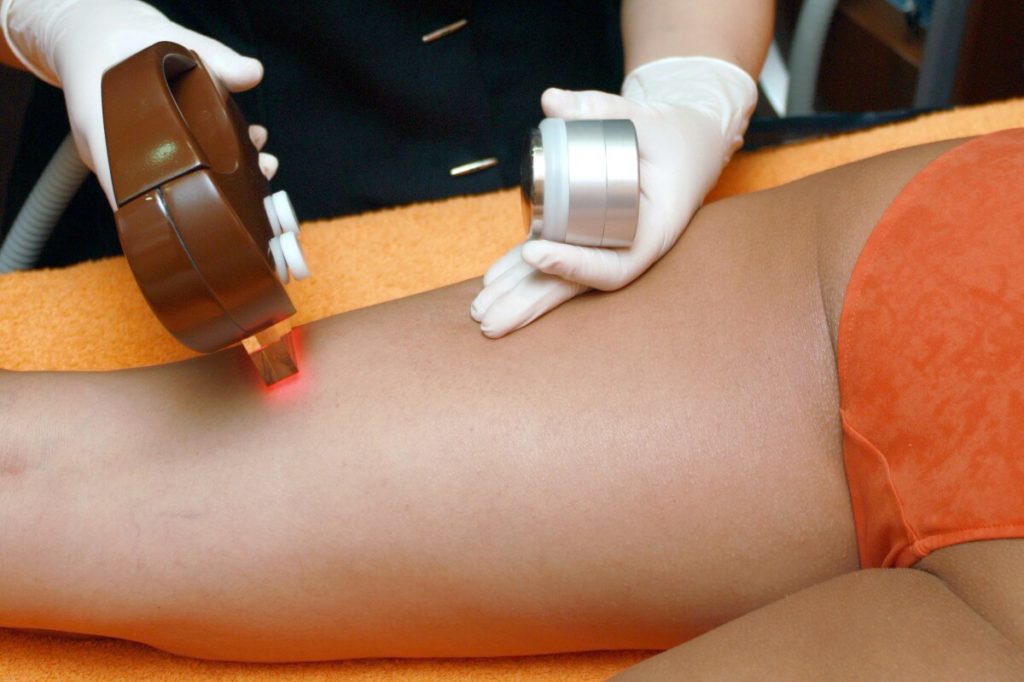
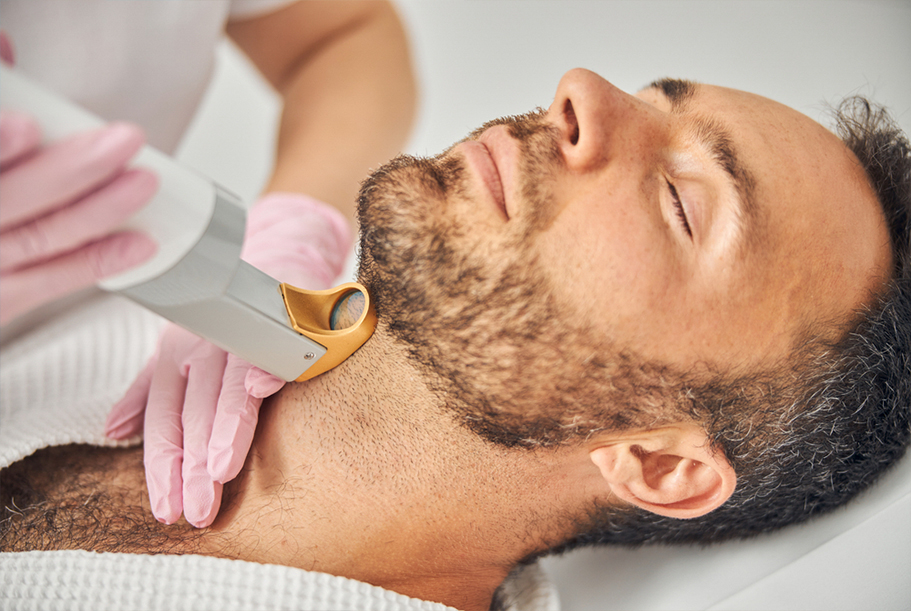
A laser hair removal session typically involves the application of a specialized laser by trained professionals to target and treat the designated areas for hair removal.
Before undergoing the treatment, patients usually have a consultation with a laser technician to discuss their eligibility, concerns, and expectations. During the session, the technician carefully examines the skin and adjusts the laser settings as per the individual’s skin tone and hair type. The laser emits concentrated light that is absorbed by the melanin in the hair follicles, subsequently damaging them to inhibit future hair growth.
Patients may experience a tingling or stinging sensation during the procedure, which is usually well-tolerated. The duration of the session varies depending on the treated area’s size, with larger areas taking longer to complete. Multiple sessions are often recommended to achieve optimal results, as hair grows in cycles and not all follicles are in the growth phase simultaneously.
How Many Sessions Are Needed for Optimal Results?
The number of laser hair removal sessions required for optimal results varies depending on factors such as hair color, skin type, and the targeted treatment areas, with significant hair reduction typically achieved after multiple sessions.
When considering hair color, dark, coarse hair typically responds best to laser treatment, often requiring fewer sessions for noticeable results compared to light, fine hair. Similarly, individuals with light skin tones generally experience more effective and efficient hair reduction.
The treatment area, such as the face, legs, underarms, or bikini line, can impact the number of sessions needed. Factors such as hormone levels and genetics may also play a role in the response to treatment.”
What Is the Cost of Laser Hair Removal?
The cost of laser hair removal varies based on factors such as the treatment area, the number of sessions required, and the expertise of the medical professionals or specialized laser technicians performing the procedures.
For a person considering laser hair removal, understanding the cost factors is essential. The treatment area significantly influences the cost, with larger areas, such as the legs or back, generally requiring more sessions and thus incurring a higher total cost.
The number of sessions needed depends on individual characteristics, including hair color, skin type, and the specific technology used. It’s important to note that multiple sessions are usually necessary for optimal results, which impacts the overall cost.
The expertise of the medical professionals and technicians handling the procedure also plays a crucial role. Clinics with highly skilled professionals may charge more for their services, but the expertise and experience they bring to the table can result in superior outcomes and greater patient satisfaction.